![Auto repair shop specializing in reliable car services in [Location].](https://spcdn.shortpixel.ai/spio/ret_img,q_cdnize/thesimpleautoshop.com/wp-content/uploads/2021/10/logo_the_simple_vf-removebg-preview-1.png)
Cold Morning, No Heat: Why Your Car’s Heater Problem Is Worth Fixing Before Winter
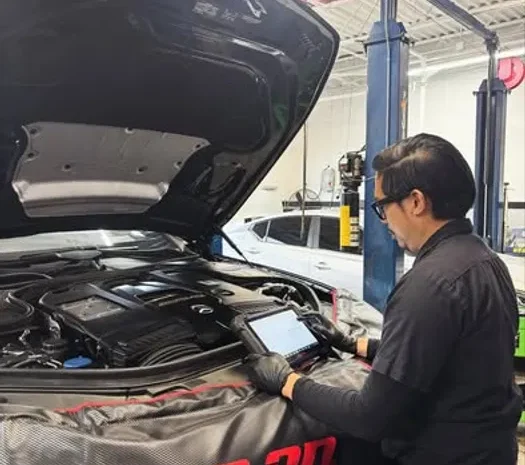
Technician performing heater-system and engine diagnostics at The Simple Auto Shop to help catch winter car-care problems early.
A cold cabin is uncomfortable. A windshield that will not clear is dangerous.
If your car’s heater is blowing lukewarm air, moving very little air, or producing an unusual smell, do not wait for the first hard freeze in Richmond to investigate it. Heating problems rarely improve on their own. Some are simple fixes. Others point to coolant leaks, cooling-system faults, or electrical problems that can affect your vehicle’s safety and reliability.
The good news: not every heater problem means an expensive repair. The right first step is accurate diagnosis: not guessing, replacing parts at random, or approving an unnecessary repair.
At The Simple Auto Shop, we provide straightforward A/C and heating repair in Richmond, VA with clear estimates, honest recommendations, and no gimmicks or upsells.
Why your car’s heater matters beyond comfort
Your vehicle’s heater uses heat generated by the engine. Warm coolant flows through a small radiator called the heater core. The blower motor pushes air across that heated core and into the cabin.
That same HVAC system also supplies the defroster. When the windshield fogs on a cold or damp morning, the defroster must move warm, dry air across the glass to restore visibility.
That makes a functioning heater part of your vehicle’s safety equipment.
If you cannot keep the windshield clear, do not continue driving simply because the engine runs. Pull over safely and arrange an inspection. Clear visibility is not optional.
Signs your heater needs attention
A failing heater can show up in several ways. Pay attention to changes, even if the system still produces some heat.
1. The air stays cold or only gets lukewarm
If the blower works but the air never becomes properly warm, the problem may involve:
- Low engine coolant
- A coolant leak
- A thermostat stuck open
- A restricted heater core
- Air trapped in the cooling system
- A blend door or actuator that is not directing air correctly
A thermostat that remains open can prevent the engine from reaching its normal operating temperature. You may notice that the temperature gauge stays lower than usual or drops while driving at highway speeds.
Low coolant is more serious. The heater core cannot produce consistent cabin heat without enough hot coolant flowing through it. A leak can also lead to engine overheating and expensive damage if ignored.
2. The airflow is weak
If the air is warm but barely comes from the vents, the issue may not be the heater core. It could be an airflow problem, such as:
- A clogged cabin air filter
- A failing blower motor
- A damaged blower resistor or control module
- A blocked air duct
- A fuse or electrical fault
- A problem with the HVAC controls
A simple filter replacement may restore airflow in some vehicles. But if the fan is noisy, works only on certain speeds, or stops completely, proper electrical testing should come first.
Do not assume the blower motor needs replacement until the circuit, fuse, resistor, and controls have been checked.
3. You notice a sweet smell
A sweet smell inside the cabin can point to a coolant leak. You may also notice:
- Damp carpet near the passenger footwell
- A greasy film on the inside of the windshield
- Coolant levels that keep dropping
- Steam or fog from the vents
- A puddle under the vehicle
These signs can indicate a leaking heater core or another cooling-system problem. Coolant is not just water. It protects the engine from freezing and overheating, so a leak deserves prompt attention.
Never remove a radiator or coolant reservoir cap while the engine is hot. The system may be pressurized, and hot coolant can cause severe burns.
4. The windshield fogs and will not clear
A weak defroster is a safety concern. If airflow is poor, the air stays cold, or the HVAC system cannot direct air to the windshield, you may lose visibility during a short drive.
Excessive fogging can also be connected to:
- A coolant leak inside the heater box
- Weak blower performance
- A clogged cabin air filter
- Faulty mode doors
- Moisture inside the cabin
- A malfunctioning climate-control system
Do not use a towel as a long-term solution. It may clear a small area temporarily, but it does not restore safe visibility across the windshield.
Common causes of heater problems
Low coolant or a coolant leak
Low coolant is one of the most common causes of poor cabin heat. The leak may come from a hose, radiator, water pump, thermostat housing, or heater core.
A technician can inspect the system and pressure-test it to help identify where coolant is escaping. Refilling the reservoir without finding the leak is not a complete repair.
A faulty thermostat
The thermostat controls coolant flow as the engine warms. If it stays open, the engine may run too cool and the heater may produce only lukewarm air.
If the engine temperature gauge does not reach its usual position, mention that detail during your appointment. It can help narrow the diagnostic path.
A restricted or leaking heater core
The heater core is tucked behind the dashboard. Sediment, corrosion, or contaminated coolant can restrict its flow. A leak can produce a sweet smell, fogging, or dampness inside the vehicle.
Some heater cores can be cleaned or flushed. Others require replacement. The correct recommendation depends on the vehicle, the condition of the component, and the results of testing.
A failing blower motor or resistor
The blower motor moves air through the vents. A failing motor may make a whining, squealing, or rattling noise before it stops working. If only one or two fan speeds work, the blower resistor or control module may be at fault.
The right repair depends on the electrical test results. Guesswork wastes time and money.
Blend door or actuator problems
Blend doors control whether air passes through the heater core and where it exits. A faulty actuator may leave you with cold air, inconsistent temperatures, or airflow from the wrong vents.
Clicking behind the dashboard when you change the temperature or mode settings can be a useful clue. Share that information with your technician.
Why diagnosis should come before repair
Heating systems combine mechanical, electrical, and cooling-system components. One symptom can have several possible causes.
For example, “no heat” might mean:
- The engine is not reaching operating temperature
- Coolant is not flowing through the heater core
- The blower is not moving enough air
- A blend door is stuck
- A leak is lowering coolant levels
- The HVAC controls are not responding correctly
Replacing the most obvious part is not always the best answer. Accurate vehicle diagnostics in Richmond, VA help pinpoint the actual fault before repairs begin.
At The Simple Auto Shop, we provide a complimentary Digital Vehicle Inspection where relevant, explain what we find, and provide a clear estimate before authorized work starts. You stay informed. You stay in control.

What you can check before your appointment
A few observations can help your technician diagnose the problem efficiently:
- Does the engine temperature gauge reach its normal range?
- Is the airflow weak on every fan speed or only some speeds?
- Does the heat improve while driving or raising engine speed?
- Do you smell coolant inside the cabin?
- Is the coolant level low when the engine is completely cold?
- Does the windshield fog excessively?
- Do you hear clicking, squealing, or rattling behind the dashboard?
- Does the system blow warm air from one vent but cold air from another?
Do not open a hot cooling system or reach near moving belts and fans. If coolant is leaking, the engine is overheating, or visibility is poor, stop driving and arrange professional assistance.
Why Richmond drivers should fix heating issues before winter
Richmond weather can change quickly. A heater that feels “good enough” on a mild fall morning may fail when temperatures drop and you need it most.
Addressing the problem early gives you time to:
- Identify coolant leaks before they cause overheating
- Restore reliable windshield defrosting
- Avoid being stranded by a worsening electrical fault
- Confirm the engine reaches the correct operating temperature
- Make an informed repair decision without winter pressure
We do not believe in pushing repairs you do not need. We believe in finding the problem, explaining the options, and completing dependable work with precision.
Our services and repairs are backed by a 2 Year/24,000 Mile Nationwide Warranty. Customers also receive complimentary access to our 24-hour roadside assistance program, including towing, lock-out assistance, flat-tire assistance, and fluid, water, or oil delivery.
Schedule heater diagnostics in Richmond, VA
A heater problem is worth checking before winter: not because every issue is a major repair, but because you deserve to know what is actually wrong.
If your car is blowing cold air, producing weak airflow, creating unusual smells, or struggling to clear the windshield, schedule an inspection with The Simple Auto Shop. We will diagnose the system, explain the findings, and provide a clear estimate before any work begins.
No pressure. No unnecessary upsells. Just straightforward auto repair Richmond VA drivers can depend on.
Request a quote or learn more about our A/C and heating repair services.