
5 Signs Your Suspension Is Failing (Before That Bumpy Ride Becomes a Safety Hazard)
Your suspension does more than make your ride comfortable. It helps keep your tires connected to the road, controls body movement, supports steering response, and helps your vehicle remain stable when you brake or turn.
That makes suspension problems a safety issue: not just an inconvenience.
Richmond roads, potholes, speed bumps, curbs, and everyday driving can gradually wear down shocks, struts, springs, bushings, ball joints, and other suspension components. The trouble often starts quietly. You may notice a slightly rougher ride or a new noise before the problem becomes obvious.
Do not ignore those early clues.
Here are five signs your suspension may be failing and when to schedule an inspection with a trusted auto repair shop in Richmond, VA.
1. Your Vehicle Pulls or Drifts to One Side
Does your car pull left or right when you are trying to drive straight? Do you find yourself constantly correcting the steering wheel?
That is a warning sign.
Pulling can come from several issues, including:
- Misaligned wheels
- Uneven tire pressure
- A damaged tire
- Worn control arms or bushings
- A failing ball joint
- Weak or damaged suspension components
- Brake problems causing one wheel to drag
Suspension wear can change how the wheels sit against the road. When that happens, your vehicle may drift, wander, or feel unstable during turns. The problem may become more noticeable at higher speeds or when driving over uneven pavement.
A vehicle that pulls strongly deserves prompt attention. Continued driving can increase tire wear and make emergency steering more difficult.
Do not assume an alignment alone will solve the issue. A proper inspection should check the suspension and steering components first. If something is loose or worn, an alignment will not correct the underlying problem.
2. Your Car Keeps Bouncing After a Bump
A healthy suspension should absorb a bump and settle quickly. If your vehicle continues to bounce, float, or rock after crossing a pothole or speed bump, the shocks or struts may no longer be controlling movement properly.
You may also notice:
- A rough, unsettled ride
- Excessive body movement in corners
- More bouncing on highways
- A feeling that the vehicle is floating
- Increased vibration through the steering wheel
- Less confidence when driving over uneven roads
Worn shocks and struts can allow the tires to lose consistent contact with the pavement. That can reduce traction and make steering and braking feel less precise.
You may hear about a “bounce test,” where someone pushes down on a corner of the vehicle and watches how quickly it settles. This can offer a basic clue, but it is not a complete diagnosis. Modern suspension systems can fail in different ways, and some worn components will not be obvious from a driveway test.
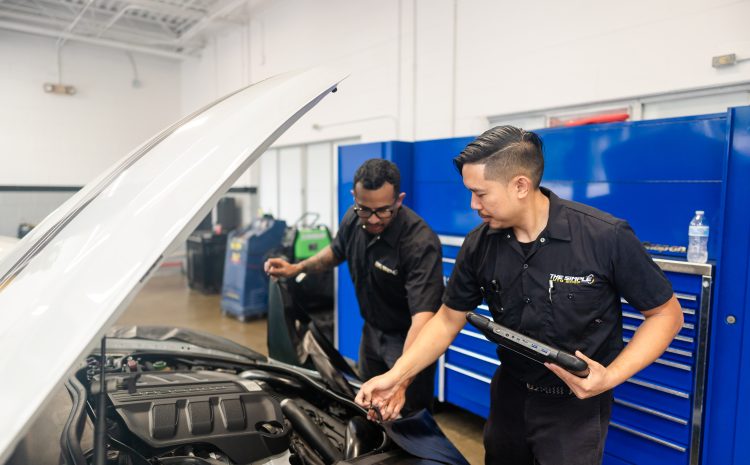
A professional inspection can pinpoint the source instead of relying on guesswork. At The Simple Auto Shop, our complimentary Digital Vehicle Inspection helps document what our technicians find so you can see the condition of your vehicle and make an informed decision.
No pressure. No gimmicks. Just clear information.
3. You Hear Clunking, Knocking, or Squeaking
New noises over bumps or while turning should not be dismissed as “just an old-car sound.”
A clunk, knock, or squeak may point to a worn or loose suspension component. Possible causes include:
- Sway bar links
- Control arm bushings
- Ball joints
- Strut mounts
- Coil springs
- Shock or strut hardware
- Tie rods or other steering components
The sound’s timing can provide useful information. A clunk when you hit a bump may suggest movement in a suspension joint or link. A noise during turns may involve a strut mount, ball joint, or steering component. Squeaking can come from worn or dry bushings, mounts, or joints.
You do not need to identify the exact part yourself. Note when the sound occurs:
- Over bumps
- During braking
- While accelerating
- When turning
- On the driver’s or passenger’s side
- Only at low or high speeds
Share those details with your technician. They can help us reproduce the symptom and inspect the right areas efficiently.
If clunking is combined with loose steering, severe pulling, or a wheel that appears to sit differently from the others, avoid unnecessary driving. A loose suspension or steering part can affect vehicle control.
4. Your Tires Are Wearing Unevenly
Your tires can reveal suspension trouble before your vehicle’s ride feels dramatically different.
Look for:
- One tire wearing faster than the others
- Excessive wear on one edge
- Cupping or scalloped patches
- Feathered tread blocks
- Repeated alignment problems
- Uneven wear across the same axle
Suspension components help hold the wheels in the correct position and maintain consistent tire contact with the road. When shocks, struts, bushings, or joints wear out, the tire may bounce, tilt, or move more than it should.
That creates irregular tread wear. It can also shorten the life of a tire and reduce traction, especially on wet roads.
Tire pressure and alignment should always be checked, too. Uneven wear does not automatically prove that the suspension has failed. The important point is that unusual tread wear deserves a complete inspection: not simply a new tire or a quick alignment.
Replacing tires without correcting the cause can lead to the same problem returning.
A suspension inspection in Richmond, VA can help determine whether the wear is related to alignment, tire condition, or a component that needs attention.
5. The Front End Nose-Dives When You Brake
When you brake, some weight naturally shifts toward the front of the vehicle. A small amount of movement is normal. A sharp forward dip is not.
Nose-diving can indicate worn front shocks or struts that are no longer controlling weight transfer effectively. It may also make the vehicle feel unsettled when you stop suddenly or brake while turning.
You might notice:
- The hood drops noticeably during braking
- The front end feels heavy or unstable
- The vehicle takes longer to settle after stopping
- The steering feels less controlled during hard braking
- The car dips more than it used to
Nose-diving can affect braking stability and may increase the distance needed to stop. It can also place more stress on the front tires and brake components.
Suspension problems are not always the only possible cause. Brake system issues, tire problems, or other steering and chassis concerns can create similar symptoms. That is why accurate testing matters.
If your vehicle dives severely under braking, avoid hard driving and schedule an inspection as soon as possible. If braking feels unsafe, do not continue driving it. Arrange for professional assistance instead.

Why Early Suspension Repair Matters
A worn suspension component rarely improves on its own. Small amounts of looseness can place extra stress on related parts and contribute to uneven tire wear, poor alignment, unstable handling, and more expensive repairs.
Your suspension affects:
- Steering control
- Tire contact with the road
- Braking stability
- Cornering confidence
- Ride quality
- Vehicle height and balance
That does not mean every noise requires a major repair. It means the vehicle should be inspected before anyone recommends a repair.
At The Simple Auto Shop, we believe you deserve to know what is happening with your vehicle. Our technicians inspect the concern, explain the findings, and provide a clear estimate before work begins. We do not perform repairs without your approval.
Our complimentary Digital Vehicle Inspection adds another layer of transparency. You can review documented findings and understand which issues require immediate attention, which should be monitored, and which are not a concern right now.
That is how auto repair should work.
As one Richmond customer put it, “No games, straight service!” Another customer described our team as trustworthy, honest, and fair with reasonable prices. That customer-first standard guides every inspection and repair.
When Should You Stop Driving?
Some suspension symptoms allow you to drive carefully to a repair shop. Others call for immediate assistance.
Avoid driving and request help if you notice:
- Severe pulling
- A wheel that looks crooked or sits unusually low
- Loud clunking with loose steering
- Loss of braking control
- A broken spring
- Fluid leaking heavily from a shock or strut
- A tire rubbing against the vehicle
- Sudden changes after hitting a pothole or curb
If your vehicle cannot be driven safely, our complimentary 24-hour roadside assistance program includes towing, lock-out assistance, flat-tire assistance, and fluid, water, or oil delivery. It is available to help keep you moving when an unexpected problem interrupts your day.
Trust Your Vehicle’s Warning Signs
A bumpy ride is not always harmless. Pulling, bouncing, clunking, uneven tire wear, and nose-diving under braking can all signal a suspension problem that affects safety and control.
Do not wait for a small symptom to become a roadside breakdown or a larger repair. Schedule a complimentary Digital Vehicle Inspection with The Simple Auto Shop and get a straightforward assessment from a dependable car mechanic in Richmond, VA.
We will pinpoint the concern, explain your options, and let you decide what comes next. No unnecessary upsells. No confusing jargon. No shortcuts.
Every service and repair is backed by our 2 Year/24,000 Mile Nationwide Warranty, giving you added peace of mind after the work is complete.
Book your appointment or request a quote today.
Your suspension helps keep you in control. Make sure it is ready for the road.